The 100-Mile Problem: Why Rural Players Are Trading Road Trips for Logins
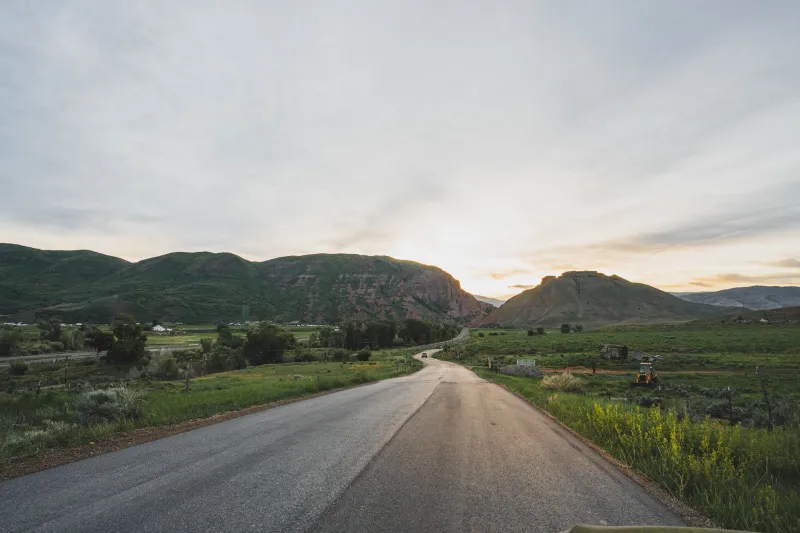
There's a particular kind of silence on the drive back from a losing casino trip. The dashboard reads 11:47 PM. You're 90 minutes from home, you've got another 90 to go, and you're doing mental math you don't want to do: the gas, the motel, the burgers on the road, the money that stayed on the boat.
For a lot of small-town America, that drive isn't an occasional indulgence. It's the only way in. And increasingly, players in these towns are asking a fair question: why am I spending $200 to get to a casino before I've placed a single bet?
The Math Nobody Brags About
Let's say you live somewhere in rural Missouri, western Kansas, or upstate Maine — places where the nearest gaming floor can easily sit 100 to 150 miles out. A weekend trip looks something like this:
- Gas: 300 miles round trip, call it $45
- Hotel: Even a budget room near the casino runs $110 a night
- Food: Two days of restaurant meals, $70–90
- Time: Six-plus hours of driving, most of it after work on a Friday
That's a $250–300 overhead before the first slot spin. Your $300 gambling budget is really a $600 weekend, and half of it bought you nothing but mileage.
Play the same $300 online and that overhead drops to zero. Same bankroll, same games, no Motel 6, no Sunday-night white-knuckle drive home. When you frame it that way, the shift isn't surprising — it's overdue.
What Players Actually Say
Talk to folks who've made the switch and a pattern emerges. Darrell, a machinist we'll call a typical case, used to make the run to a riverboat two hours from his town maybe once a month. "I told myself the drive was part of the fun," he says. "Then I added it up one year. I was spending like $3,000 getting to the casino. That stung."
The flip side of that sting is the biggest argument for the road trip: it's a built-in circuit breaker. When the casino is 100 miles away, you can't chase losses past midnight. You have to leave. The drive home is a hard stop that your bankroll didn't choose but benefits from anyway.
Playing at home removes that friction. The casino is always open, always in your pocket. That's the trade — and it's the part nobody should gloss over.
What You Gain, What You Give Up
The gains are real:
- Your entertainment budget goes further, since none of it leaks into travel
- You can play in shorter sessions — an hour after dinner instead of a forced 36-hour blowout
- No fatigue decisions. Tired-of-the-drive tilt is a genuine bankroll killer
The losses are real too:
- The social energy of a casino floor — dealers, strangers, the shared groan when the table busts — doesn't fully translate through a screen
- The trip itself was a boundary. Without it, you have to build your own
That last point is where strategy comes in. Rural players who thrive at home tend to import the discipline the road trip used to provide for free. Set a session timer. Decide your stop-loss before you log in. Make the kitchen table your boat: when you stand up, you're done.
The New Front Porch
There's something a little fitting about it. The same towns that once carpooled four guys in a pickup to the riverboat are now gathering on porches with phones out, comparing bonus rounds. The social piece didn't vanish — it just moved closer to home.
If you live far from a casino, the honest answer is that playing online is almost always the cheaper, more controllable way to get your gaming in. The honest caveat is that cheaper access cuts both ways. Run the numbers, respect the limits the drive used to enforce for you, and the front porch might just be the best seat in the house.