Four Weeks of Frenzy: Turning Bracket Season Into Your Sharpest Betting Month
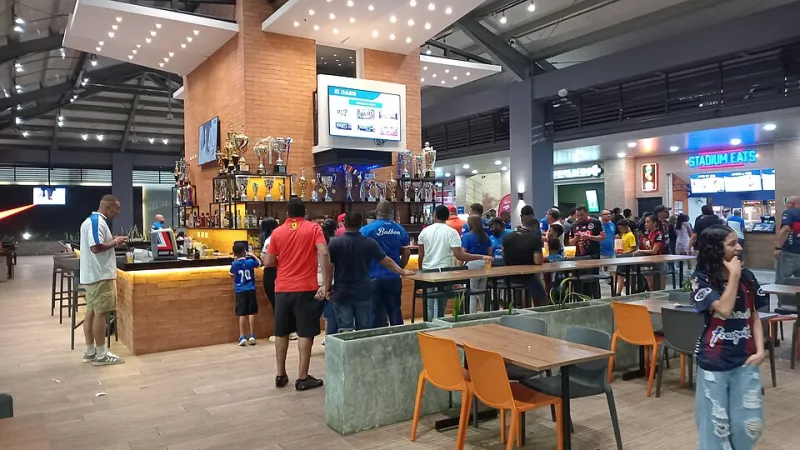
Photo: Virpana, CC0, via Wikimedia Commons
Every year around the second week of March, something strange happens to America. Accountants who haven't watched a minute of college basketball suddenly become bracketologists. Your dentist is texting you about a 12-vs-5 upset. The boss has quietly stopped asking why the office TV is tuned to a game in Wichita.
Welcome to March Madness — the single best betting month on the American calendar. And if you're going to play it, you might as well play it smart.
Why March Hits Different
No other event in the US combines scale, chaos, and accessibility quite like the NCAA tournament. The Super Bowl is one game. The World Series can stretch for a week and often features teams half the country doesn't care about. March Madness hands you 68 teams, dozens of games in the first weekend alone, and enough Cinderella stories to keep every region of the country emotionally invested until the Sweet 16.
The numbers back it up. The American Gaming Association regularly estimates that tens of millions of American adults fill out brackets or place wagers on the tournament, with billions at stake across office pools and legal sportsbooks. That's not a niche event — that's a national participation ritual.
And the chaos is the point. The tournament's whole brand is unpredictability. A one-seed can be packing its bags by Sunday. That volatility is exactly what makes it fun — and exactly what makes it dangerous for your bankroll if you treat every round like a sure thing.
The Office Pool Is Not the Sportsbook
The first strategic distinction worth making: bracket pools and actual betting are two different animals.
An office pool is cheap entertainment. Ten or twenty bucks, bragging rights, maybe a prize at the end. You can pick Gonzaga to the Final Four because you like the name and nobody's hurt. The expected value of your Friday afternoon joy vastly exceeds the entry fee.
Sportsbook betting is a different discipline. The lines are sharp, the vig is real, and the market knows far more about a 9-seed's zone defense than your brother-in-law does. Casual bettors who treat the sportsbook like a bigger office pool — throwing money at gut feelings across 30 games in four days — are essentially donating to the house at an accelerated rate.
The move here is simple: budget them separately. Pool money is entertainment money. Sportsbook money should follow the same bankroll rules you'd apply to any casino session — a fixed amount you're comfortable losing, divided into units, with no chasing after a bad Saturday.
Ride the Energy, Don't Chase It
Here's what's genuinely valuable about March for a casino player: the energy. There's a reason sportsbooks pack in wall-to-wall crowds during the tournament, and it's not just the betting. It's the atmosphere — the collective gasping at buzzer-beaters, the stranger high-fiving you when your 13-seed cover hits.
That energy is an asset, but it cuts both ways. A hot tournament weekend can create the feeling that you're "due" for wins everywhere, which is precisely the kind of thinking that empties bankrolls. The near-miss effect we've covered before gets amplified in March — every heartbreak half-court heave trains your brain to believe the next one goes in.
The disciplined play is to let the tournament enhance your sessions, not dictate them. Enjoy the games at the sportsbook bar. Set your wagering plan before the first tip, not between tip-offs when adrenaline is making your decisions for you.
Bringing Bracket Brain to the Tables
There's actually a legitimate skill transfer from March Madness to casino play, and it comes down to how you should be thinking about brackets in the first place.
Good bracket strategy isn't about picking every game correctly — it's about understanding probability and variance. You don't pick all 16 favorites to reach the Sweet 16, because historically that almost never happens. You accept that upsets are baked into the structure, and you build your picks around expected outcomes rather than dream scenarios.
That's bankroll management in a nutshell. Serious players don't build a session plan around hitting the jackpot on spin three. They build around the realistic distribution of outcomes — some wins, some losses, and a plan for both. The same mental model that keeps your bracket honest keeps your blackjack sessions honest.
A few March lessons that translate directly to the tables:
- Respect the variance. A 15-seed beating a 2 and a three-of-a-kind on the river are the same phenomenon: low-probability events that feel systematic but aren't.
- Don't double down on a busted region. When one leg of your plan collapses, the instinct is to overcorrect. Resist it — both in brackets and at the craps table.
- Know when the tournament ends. March has a finish line. So should every session you play.
Keep the Money in Separate Pockets
The single biggest March mistake isn't picking the wrong upset — it's letting bracket losses bleed into casino funds and vice versa. If your pool entry and your weekend parlay both go down in flames, the temptation is to "win it back" at the tables that night. That's how a fun month turns into a rough April.
Treat March like a portfolio: a small, fixed entertainment allocation for pools, a defined sportsbook bankroll with unit sizing, and your regular casino budget untouched. When one bucket empties, the month doesn't have to be over — you just move on to the next thing.
March Madness comes around every single year, and it will be back in twelve months whether you went broke or not. The brackets will bust, the buzzer-beaters will fall, and the best players in the room will be the ones who enjoyed all of it without ever betting more than they planned to.
Play the month like a pro: enjoy the mayhem, respect the math, and never let the madness manage your money.