64 Teams, One Bankroll: A Survivor's Guide to Betting the Big Dance Without Going Bust
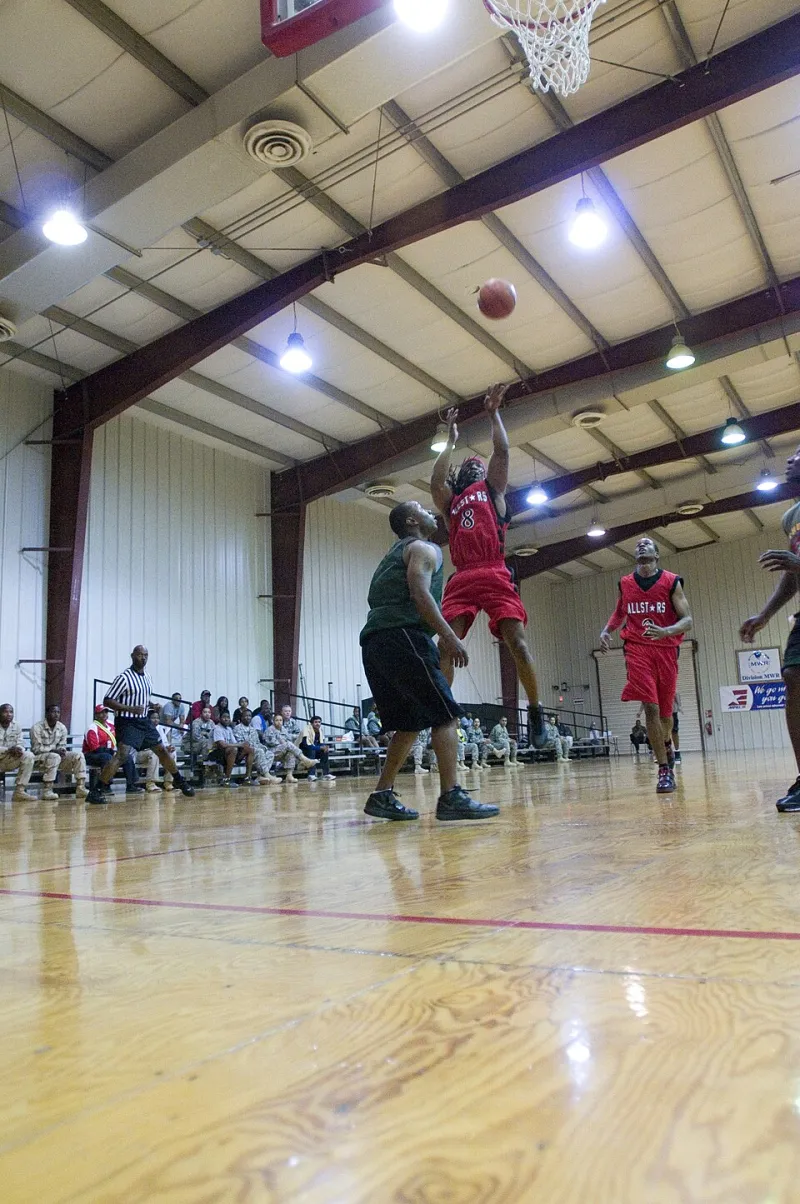
Photo: Staff Sgt. Daniel Yarnall, Public domain, via Wikimedia Commons
Every March, something strange happens to America. Accountants who haven't watched a minute of college basketball since February suddenly have opinions on 12-vs-5 matchups. Office pools pop up overnight. And sportsbooks see a tidal wave of action that makes the Super Bowl look like a Tuesday night WNBA game.
If you're reading Casino Boom, chances are you already know your way around a slot reel or a blackjack shoe. But the Big Dance is a different animal — and it bites bettors who wander in unprepared. Here's how to enjoy the frenzy and still have a bankroll left when the confetti falls.
Why March Madness Breaks Normal Betting Rules
The tournament is unlike anything else on the betting calendar. You've got 64 teams, six rounds, and games stacking on top of each other all day Thursday through Sunday of the opening weekend. That volume is intoxicating — and dangerous.
The house edge on college hoops is generally modest, but the sheer number of betting opportunities is the real trap. A bettor who might place two NFL wagers on a Sunday can easily fire off fifteen bets during a single March Thursday. Even if each individual bet is reasonable, that volume multiplies variance and, if you're not careful, your losses.
Think of it like a slot session: one spin is nothing, but three hundred spins is where the math catches up with you.
Know Your Bet Types Before Tip-Off
Walking into March betting cold is like sitting down at craps without learning the pass line. Get familiar with the menu:
- Point spreads — The bread and butter. The favorite gives points, the underdog gets them. College lines can be wide, and a 14-point favorite covering is a very different ask than an NFL team laying 3.
- Moneylines — Straight-up picks. On heavy favorites, the juice gets ugly fast. Laying -600 on a No. 1 seed is rarely worth the risk.
- Totals — Over/unders on combined scoring. Tournament games often run tighter and slower than regular-season blowouts, which matters.
- Prop bets — Player props, team props, and the gloriously weird stuff. These spike in popularity during March, but props typically carry a bigger house edge than main lines. Treat them like the side bets at a craps table — fun in moderation.
- Futures — Outright champion picks. Long odds, long wait, and usually a long-shot return. Fine as a lottery ticket, not as a strategy.
Live Betting: Fast Money or Fast Losses?
In-game wagering is where March Madness really comes alive. Odds shift possession by possession, and a 10-point halftime deficit can feel like an invitation to pounce.
A few ground rules before you dive in:
- Watch the games you bet. Live lines move on algorithms and sharp money. If you're betting off a box score, you're the fish.
- Beware the emotional overreaction. A top seed down 8 early isn't automatically a value play — sometimes the upset is real.
- Set a live-betting budget separately. The speed of in-game action makes it the fastest way to lose money in sports betting, full stop. Cap it like you'd cap a slot session.
Bracket Pools vs. Sportsbooks: Know the Difference
Your office pool is not the sportsbook. In a pool, picking all the favorites might win you nothing; in a sportsbook, betting favorites blindly bleeds money. The psychology of each rewards different behavior.
In pools, you need to think about leverage — picking the right Cinderella to reach the Sweet 16 can beat picking chalk. At the sportsbook, leverage thinking gets you in trouble. There's no prize for creativity when you're laying -110 on a 14-seed moneyline because it felt bold.
Bankroll Protection: The Part Nobody Wants to Hear
Here's the unsexy truth: most March bettors don't lose because they picked badly. They lose because they bet too much, too fast, on too many games.
The playbook that serious bettors actually use:
- Set a tournament budget before the First Four tips. Money you'd spend on a nice dinner out, not your rent.
- Flat bet. Stick to 1–2% of your bankroll per wager. No chasing Thursday's losses with a Friday parlays-and-prayers session.
- Limit parlays to fun money. The math on multi-leg college hoops parlays is brutal. If you want a four-team parlay for the rush, size it like a scratch-off ticket.
- Take breaks. With games running from noon to midnight, fatigue betting is real. Your judgment at 11 p.m. is not your judgment at noon.
A Quick Word for the Casino-First Crowd
If you're a slots or table games player eyeing the sportsbook for the first time, welcome — but adjust your expectations. Sports betting is a marathon of small decisions, not a jackpot chase. Your edge comes from discipline and selectivity, not luck-of-the-draw swings.
Start small, bet games you actually watch, and skip the props with 20% hold. The tournament will still be plenty exciting at 1% of your bankroll per game.
The Bottom Line
March Madness is the best three weeks on the American betting calendar, and there's no shame in riding the wave. Just remember what the tournament really is: a high-variance, high-volume event engineered to make you bet more often. The bettors who come out ahead aren't the ones who nailed a 12-seed upset — they're the ones who were still standing, bankroll intact, when the Final Four tipped.
Bet the games. Enjoy the buzzer-beaters. And whatever you do, don't let a bad first weekend talk you into betting your second mortgage on a national champion futures ticket. The Big Dance rewards the disciplined — everyone else is just paying for the music.