Knock Wood, Blow the Dice: Why Your Casino Rituals Refuse to Die (and When They Actually Help)
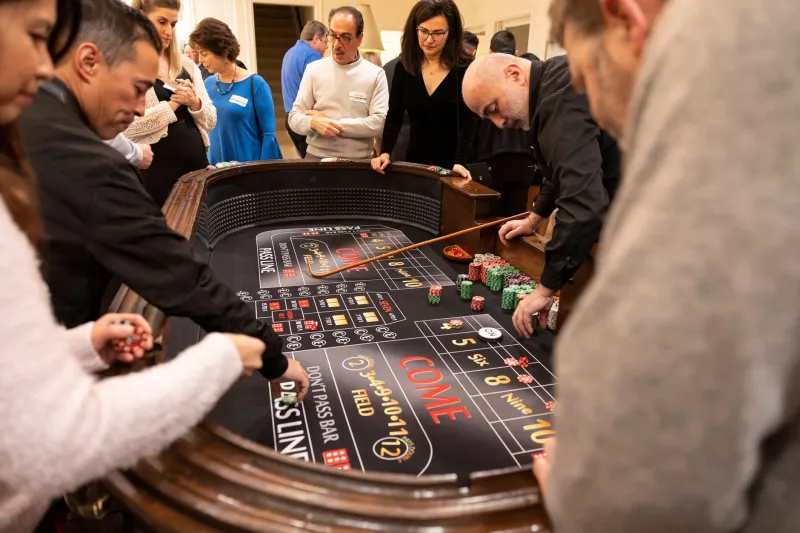
Somewhere in a casino in Reno right now, a guy in a Tom Brady jersey is blowing on a pair of dice before a craps roll. He probably knows, intellectually, that his breath has zero effect on how plastic bounces off felt. He's doing it anyway. And honestly? You probably would too.
Casino superstitions are the cockroaches of gambling culture — they've survived every era, every technology, and every stat sheet telling players they're nonsense. Let's dig into where these rituals came from, why your brain refuses to let them go, and which ones are secretly doing you a favor.
Where These Rituals Actually Came From
Most casino superstitions are folk wisdom passed down like a family recipe. Blowing on dice goes back decades — some trace it to old street-craps games where players genuinely cleaned off grime, and the "lucky breath" part just stuck. Bad luck at the tables? Blame the "lady in red" or someone crossing their legs near your machine. These ideas spread because casinos are social places, and stories travel faster than statistics.
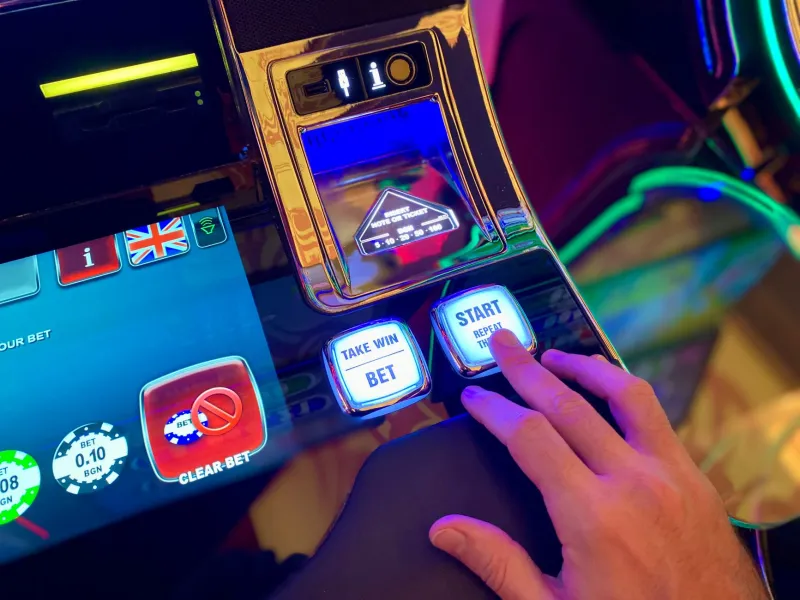
Even the digital age hasn't killed them. Watch anyone at Casino Boom on a hot slot streak and you'll see it: the same bet size every spin, a little tap on the screen, a specific seat angle. The ritual migrated from the casino floor to the couch without missing a beat.
Your Brain Is Wired for This Stuff
Here's the uncomfortable truth: superstition isn't a character flaw, it's a feature of human cognition. Psychologists call it the "illusion of control" — our deep-seated need to feel like we're influencing outcomes that are, by design, completely random.
There's also something called operant conditioning at play. If you tapped your screen and then hit a bonus round, your brain logs that as cause and effect, even though it was pure coincidence. Do that a few times and you've built a habit that feels like knowledge. B.F. Skinner famously demonstrated this with pigeons that developed bizarre spinning rituals when food arrived at random intervals. We're not that different — we just wear better shoes.
And near-misses pour fuel on the fire. When the third jackpot symbol barely misses the payline, your brain treats it as evidence that you're "getting closer," which makes the ritual feel even more essential. We've covered the near-miss effect before, and it's one of the most powerful forces keeping players glued to a game.
The Two-Drink Rule and Other Player Folklore
Every regular has their version of the rules. A few classics:
- The two-drink rule. One drink loosens you up; three makes you loose with your bankroll. Two is the folk-approved maximum. There's no science behind the number, but the instinct — protect your decision-making — is solid.
- The lucky seat. Blackjack players will wait for a specific chair at a specific table. Dealers change, shoes change, but the seat is sacred.
- Cashing out on a win. Some players treat any win as a sign to walk. Others see it as a green light to press. Both camps have elaborate theories. Neither has math.
- The screen tap. The slot machine equivalent of a free throw routine. It does nothing. It also does everything, emotionally speaking.
Okay, But Can a Ritual Actually Help?
Here's where we surprise you: some of these habits are quietly useful — just not for the reasons players think.
Rituals can function as focus anchors. A pre-spin routine gives your brain a cue that it's game time, similar to how an athlete's warm-up doesn't make them stronger but does sharpen their attention. Research on performance rituals suggests they can genuinely reduce anxiety and improve consistency. A calm, focused player makes better decisions than a scattered one.
The two-drink rule is basically bankroll management wearing a party hat. Limiting drinks limits tilted decisions. The cash-out-on-a-win crowd, whatever their reasoning, are practicing discipline — locking in profits instead of grinding them back. That's a strategy article dressed up as a superstition.
So the useful test isn't "is this ritual rational?" It's "does this ritual lead me to make better decisions?" A routine that keeps you patient and within budget is earning its keep. One that convinces you to chase losses because your "lucky machine is due" is costing you money.
When Rituals Turn Expensive
The line between harmless quirk and costly habit is simple: rituals become a problem when they start overriding your bankroll rules. If you're betting bigger because the ritual "told you" tonight's the night, or refusing to leave a cold seat because walking away would "waste" your luck, you've crossed from psychology into mythology.
The healthiest players we know keep their rituals and their spreadsheets in separate rooms. Enjoy the tap, the lucky seat, the two-drink ceiling — just let your budget, not your bumper stickers, make the financial calls.
The Bottom Line
Superstitions survive because they make random games feel personal, and personal games are more fun. That's not a bug — it's half the reason we play. Know the difference between the rituals that sharpen your focus and the ones that empty your wallet, and you can blow on the dice with a clear conscience.
Now if you'll excuse us, there's a slot on Casino Boom that's been very good to us on Tuesdays. Don't judge.